The Complete Homeowner’s Guide to Roof Repairs
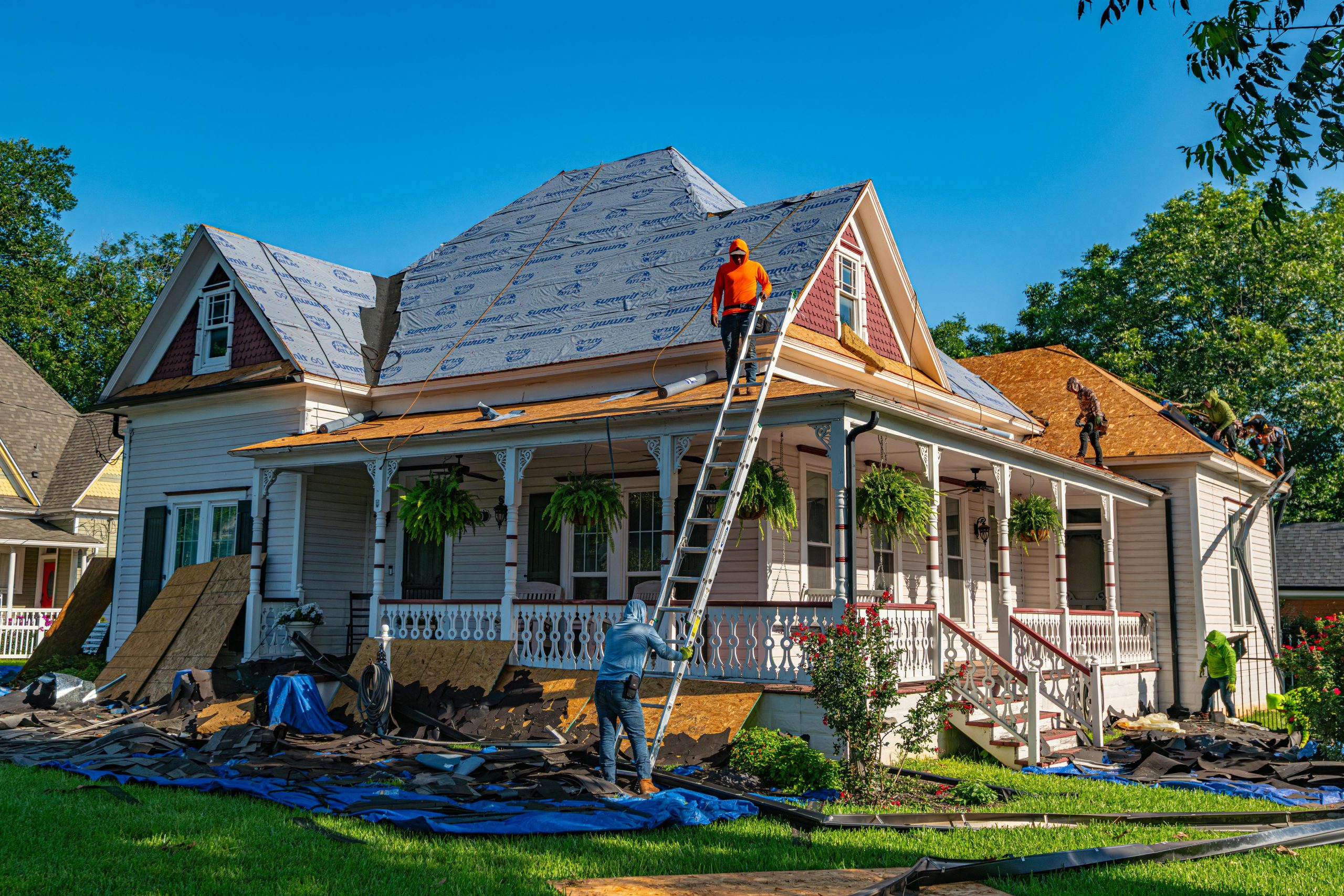
A roof rarely fails all at once. More often, it gives fair warning in small, easy-to-miss ways: a water stain that appears after a hard rain, a shingle curled at one corner, a damp smell in the attic on a cold morning. Homeowners usually discover roof problems at an inconvenient time, during a storm, before guests arrive, or just as another household expense lands. That urgency leads to rushed decisions, and rushed decisions are expensive on roofs.
Roof repairs sit in an awkward middle ground between routine maintenance and full replacement. Some issues are simple and localized. Others look minor from the yard but point to bigger problems in the decking, flashing, ventilation, or underlayment. The difference matters. A $300 repair ignored for one season can turn into a multi-thousand-dollar interior and structural job. On the other hand, many people replace roofs earlier than necessary because no one took the time to diagnose the actual cause of the leak.
The goal of smart roof ownership is not to become a roofer. It is to understand what is normal, what is urgent, what can wait briefly, and how to judge whether a proposed repair makes sense for the age and condition of the roof you already have.
What roof repairs actually cover
When homeowners hear the phrase Roof Repairs, they often think only of replacing a few shingles. In practice, roof repair is a broad category. It can include patching a puncture caused by a fallen branch, resealing flashing around a chimney, replacing cracked tiles, correcting nail pops, repairing storm damage, addressing small areas of rotten decking, or stopping a leak at a vent boot. On low-slope systems, repair may mean patching membrane seams, fixing blisters, or improving drainage where water ponds too long.
The visible roofing material is only one layer of the assembly. Beneath shingles, tile, metal panels, or membrane, there is typically underlayment, flashing at vulnerable transitions, Royalty Exteriors Roof Repairs decking, ventilation components, and fasteners. Water often enters in one place and shows up somewhere else. A leak stain in the bedroom ceiling may originate several feet uphill, or even on the other side of a ridge if wind drives rain in a certain direction. That is why a repair estimate based only on an indoor stain is not really a diagnosis.
One of the most common mistakes I see homeowners make is assuming every leak means the field of the roof is worn out. Often the failure point is at a penetration or edge detail, not across the whole roof surface. Skylights, chimneys, plumbing vents, valleys, step flashing where roof meets wall, and transitions between different roof planes account for a large share of leaks. The shingles may still have years of service left, but the detail work around those areas has failed.
The first signs that deserve attention
Roof problems announce themselves in subtle ways before they become emergencies. A homeowner who notices those early warnings can usually repair the issue at a manageable cost.
Inside the house, the most obvious sign is staining on ceilings or upper walls. Fresh stains often look tan, brown, or yellow, but not all moisture leaves a dramatic mark right away. Paint may bubble. Drywall tape might loosen at a seam. You may notice a musty odor in a second-floor closet after prolonged rain. In the attic, look for darkened wood, compressed insulation, rust on nails, or daylight showing through where it should not.
Outside, changes in the roof surface are equally telling. Asphalt shingles that are cracked, curling, blistered, or missing granules are vulnerable. Metal roofs may show loose fasteners, failing sealant at penetrations, or separation at seams. Tile roofs can suffer from slipped or broken pieces, especially after foot traffic or impact. Around gutters, excessive shingle granules in downspouts can signal aging, though some granule loss is normal on newer shingles too.
Storms create another category of warning signs. Hail can bruise shingles without knocking them off. High winds may loosen tabs that still appear present from the ground. A branch that only “brushed the roof” can crack a vent cap or damage flashing. After severe weather, I always tell homeowners to inspect the property as a system, not just the roof surface. Look at gutters, siding, fences, screens, HVAC fins, and anything else that would show impact or wind direction. Those clues help determine what happened and how serious the roof damage may be.
When a repair is enough, and when replacement makes more sense
This is where good judgment matters more than blanket rules. A repair makes sense when the roof is generally sound, the problem is localized, and the materials are still serviceable. If a 10-year-old asphalt shingle roof has a leaking pipe boot and a few lifted shingles from wind, repair is usually the practical choice. If the roof is 24 years old, has multiple leaks, brittle shingles, failing flashing in several areas, and visible sagging in spots, putting money into one more patch is usually a short-term move at best.
Age alone should not decide the issue, but it sets the context. Most asphalt shingle roofs last somewhere in the broad range of 15 to 30 years depending on product quality, climate, ventilation, installation, and storm exposure. Architectural shingles in a moderate climate can outlast basic three-tab shingles by several years. Tile and metal can last much longer, but details like underlayment and flashing may still need work far earlier than the primary roofing material.
A repair also has to be considered against matching and appearance. On older roofs, replacement shingles may not blend well in color or texture, even if the repair is technically sound. Some homeowners care deeply about curb appeal and decide that an obvious patch on the front elevation is reason enough to move toward replacement sooner. Others are perfectly comfortable with a visible repair if it extends the roof’s life another few years. Neither view is wrong. It is a budget and priorities question.
Insurance is another factor, though not a simple one. Insurers may cover sudden storm damage but not ordinary wear and tear. If a storm damaged one slope and the rest of the roof is in good shape, repair may be the intended path. If local code or matching laws affect what can reasonably be repaired, that can change the outcome. The key is not to assume insurance will pay for a full roof because a leak appeared after a storm. Sometimes the timing is coincidence, not cause.
The repairs homeowners see most often
Asphalt shingle repairs are by far the most common in many neighborhoods. These often involve replacing missing or torn shingles, resealing lifted tabs, correcting nail placement problems, replacing damaged ridge cap shingles, or repairing flashing at chimneys and sidewalls. Pipe boot failures are especially common because the rubber collar around the vent can crack from sun exposure long before the surrounding shingles wear out.
Flashing repairs deserve special attention because flashing is where many roof systems succeed or fail. Step flashing along walls should work together with siding or counterflashing to shed water in overlapping layers. Chimney flashing should include proper apron, step, and counterflashing components rather than relying on sealant alone. Sealant has a role, but sealant is not a substitute for proper metal detailing. If the estimate describes a repair mostly in terms of “caulk everything,” I would ask harder questions.
On metal roofs, repair might involve replacing exposed fasteners with oversized gasketed fasteners, resealing penetrations, addressing oxidation, or tightening loose panels. The challenge with metal is movement. Metal expands and contracts, and details have to accommodate that movement. A patch that looks fine on a warm day can fail after seasonal temperature swings.
Tile and slate roofs require a different level of care. The visible units can crack under impact or from poor foot traffic, but the bigger issue is often what lies beneath. The tile may be reusable while the underlayment has aged out. Repairs on these roofs should be done by someone who understands the specific system. I have seen more damage caused by inexperienced foot traffic on tile than by the original leak itself.
Flat and low-slope roofs introduce their own repair logic. Water drains more slowly, and tiny defects can matter a lot. Repairs may involve seam patches, coating touch-ups, drain improvements, or localized membrane replacement. Ponding water does not always mean immediate failure, but recurring standing water accelerates wear and exposes weak details.
What to do when you notice a leak
The first priority is limiting damage, not solving the whole roofing problem in one frantic afternoon. Move furniture and belongings out of the affected area. Catch active drips in a bucket or storage tote. If water is bulging a ceiling, that pocket may need to be drained carefully to prevent a larger collapse, but homeowners should be cautious and avoid electrical hazards. If a leak is near recessed lights, ceiling fans, or outlets, shut off power to that area if you can do so safely.
If the leak is active during a storm, resist the temptation to climb onto the roof. A wet roof is dangerous even for trained crews, and improvised homeowner repairs during bad weather often make the situation worse. A tarp installed from the ground edge or by a qualified emergency service is one thing. Walking a slick roof in sneakers with a tube of sealant is another.
Document the damage. Take photos of the stain, the active leak if visible, damaged contents, and conditions outside once it is safe. If storm damage may be involved, record the date and weather event. Insurance claims go more smoothly when you have a clear timeline and images from the start.
Here is a practical triage checklist that helps homeowners act without overreacting:
- Protect the interior first, move valuables, contain drips, and address electrical risks.
- Check the attic if accessible, look for active water paths, wet insulation, and daylight.
- Photograph everything, including exterior conditions after the weather clears.
- Arrange a professional inspection promptly, especially if the leak followed wind or hail.
- Avoid temporary “fixes” that depend only on roof cement or sealant unless advised by a roofer.
Why leaks are so often misdiagnosed
Water is patient and deceptive. It follows gravity, but not always in a straight line. It can run along rafters, travel on the underside of decking, or enter through one detail and emerge several feet away. Condensation can also mimic a roof leak, especially in attics with poor ventilation or bathrooms exhausting warm air into the attic instead of outdoors.
I once looked at a home where the owner had repaired the same bedroom ceiling stain three times over two years. A handyman had sealed shingles above the stain on each visit. The real issue was a poorly flashed sidewall near a dormer, uphill and offset from the room below. Wind-driven rain was getting behind the siding, bypassing the roofing surface entirely, and then traveling down to the stain location. The owner had paid for three cosmetic patches and three ceiling repairs without ever fixing the source.
Skylights create a similar trap. Many people assume the glass is leaking, when the failure is actually in flashing, surrounding roofing, clogged drainage channels, or condensation from indoor humidity. Chimneys are another frequent culprit. The masonry may absorb water, the crown may be cracked, the cap may be missing, or the flashing may be poorly integrated. A proper diagnosis looks at the whole assembly, not the most obvious surface.
What a good roof repair estimate should tell you
A strong estimate does more than provide a price. It explains the suspected cause, the scope of the repair, the materials to be used, and what limitations exist. If a contractor can state exactly what failed and how the proposed work addresses it, that is encouraging. If the description is vague, or if every issue is described with the same generic phrase, press for detail.
Material compatibility matters. You want to know whether replacement shingles will match as closely as possible, whether flashing will be aluminum, galvanized steel, or another material appropriate for the roof, and whether the repair requires underlayment replacement or decking replacement in that area. You also want clarity on whether interior damage is included or excluded.
Ask whether the contractor expects hidden damage once materials are removed. On older roofs, a small leak can conceal softened decking. That does not mean the estimate is dishonest. It means roofing sometimes reveals more once the surface is opened. Good contractors explain that possibility before work begins rather than surprising you halfway through.
Warranty language should be read carefully. A workmanship warranty on the repair area is reasonable. A promise that the entire aging roof is now leak-proof is not. There is a difference between standing behind the work performed and guaranteeing unrelated areas that were never touched.
How to choose the right roofing contractor
The lowest number on the page is not always the cheapest option. Roof repair quality depends heavily on diagnosis, detail work, and follow-through. A contractor who understands repairs well is not automatically the same contractor who excels at high-volume replacements.
Use these questions when narrowing your options:
- What do you believe is causing the leak or damage, and how did you confirm it?
- What materials will you use for the repair, and why are they appropriate for this roof?
- Will the repaired area be visually different, and how close a match should I expect?
- What hidden conditions might change the price once work begins?
- What workmanship warranty applies specifically to this repair?
Experience with your exact roof type matters. A crew that is excellent on asphalt shingles may not be the best choice for clay tile, slate, standing seam metal, or a low-slope membrane. Licensing, insurance, and local reputation still matter, of course, but repair skill is often about pattern recognition. The best repair technicians have seen the same failure modes dozens or hundreds of times and know where to look next.
Communication is another underrated factor. Roof repairs can be inherently uncertain because the visible symptom is not always the source. You want someone who communicates probabilities honestly. A contractor who says, “Based on what I see, this is the most likely source, but we need to open this section to confirm,” is usually more trustworthy than one who offers instant certainty on a complicated leak.
Costs, expectations, and the reality of “simple” fixes
Homeowners naturally want a price range, but repair costs vary widely by roof type, pitch, access, region, and how much detective work is required. Replacing a vent boot on a walkable shingle roof is a very different job from repairing a leak around a chimney on a steep, cut-up roof three stories high. A small repair may cost several hundred dollars. A more involved flashing repair with partial tear-off and decking replacement can quickly move into the low thousands. Specialty materials, difficult access, and emergency tarping add more.
This is one reason some homeowners feel blindsided by repair pricing. The leak may be small, but the effort to locate and correct it properly is not. Roof work is not priced only by square footage. Setup time, safety equipment, travel, material matching, and skilled labor all affect the bill. In repair work especially, the expertise is part of what you are paying for.
Another reality is that not every repair is invisible. Perfect cosmetic blending is harder on older roofs. Sun exposure changes color over time. Manufacturers discontinue lines. Granule patterns shift. A repair Roof Repairs can be structurally right, watertight, and still somewhat noticeable from the curb. It helps to decide early whether your priority is appearance, service life, or the best balance of both.
Maintenance that prevents avoidable repairs
Many roof problems begin with neglected maintenance rather than bad luck. Gutters full of debris can force water back under roofing at eaves. Overhanging branches scrape surfaces, drop organic debris, and provide pathways for pests. Moss and algae are not always immediately destructive, but in damp climates moss can hold moisture against the roof long enough to shorten service life.
Attic ventilation and insulation are less visible but just as important. Poor ventilation can overheat shingles, contribute to ice dam risks in cold climates, and promote condensation that homeowners mistake for roof leaks. Bathroom fans that vent into the attic instead of outside are notorious for causing moisture problems that look, at first glance, like roofing failure.
A sensible maintenance routine usually includes seasonal visual checks from the ground, attic inspections after major storms, gutter cleaning as needed, and prompt attention to small defects. Most homeowners do not need to be on their roof regularly. In fact, many roofs are damaged by unnecessary foot traffic. A pair of binoculars and a flashlight go a long way.
Living with an older roof without guessing
Many homes are sold with roofs in the later stages of their service life, and buyers often inherit vague information. “The roof is about fifteen years old” can mean almost anything. If that is your situation, establish a baseline. Have the roof professionally inspected, ask for photos, and find out not just whether it leaks today, but how much service life appears realistic based on current condition.
That baseline changes how you approach Roof Repairs. A repair on an older roof can still be the right decision if it buys time for a planned replacement next year, helps you through a real estate transition, or addresses one active leak while you budget for bigger work. The mistake is not repairing an old roof. The mistake is pretending a short-term repair is a long-term solution when the roof is broadly worn out.
A well-managed roof is rarely a surprise. It is a series of observed conditions, sensible interventions, and realistic timing. Homeowners who treat repairs as part of stewardship, not just crisis response, spend less in the long run and sleep better during the next heavy rain.
Royalty Exteriors
151 NJ-10 Suite 103A
Succasunna, NJ 07876, United States
+1 973-333-7234
FAQ About Roof Repairs
Can you fix a roof leak without replacing the whole roof in Succasunna,NJ?
Often, a localized leak can be repaired without replacing the entire roof, depending on its cause and the condition of the surrounding materials. Damaged shingles, flashing, or a roof penetration may need targeted work. Royalty Exteriors offers roof repairs for leaks, storm damage, and shingle issues. An inspection is needed to determine the appropriate scope.
What is considered a minor roof leak?
A leak may be considered minor when the damage is limited to a small area and the surrounding roofing remains sound. A small ceiling stain alone does not establish the extent of the problem because water can travel before becoming visible. Have the source and any concealed damage assessed promptly.
Is it better to repair or replace a leaky roof?
The decision depends on the roof's age, overall condition, leak source, extent of damage, and history of previous repairs. A localized problem on an otherwise serviceable roof may be suitable for repair. Widespread deterioration or recurring leaks may justify considering replacement. Ask for an inspection and a written explanation of the recommended work before deciding.