How to Compare Quotes for Roof Repairs Like a Pro
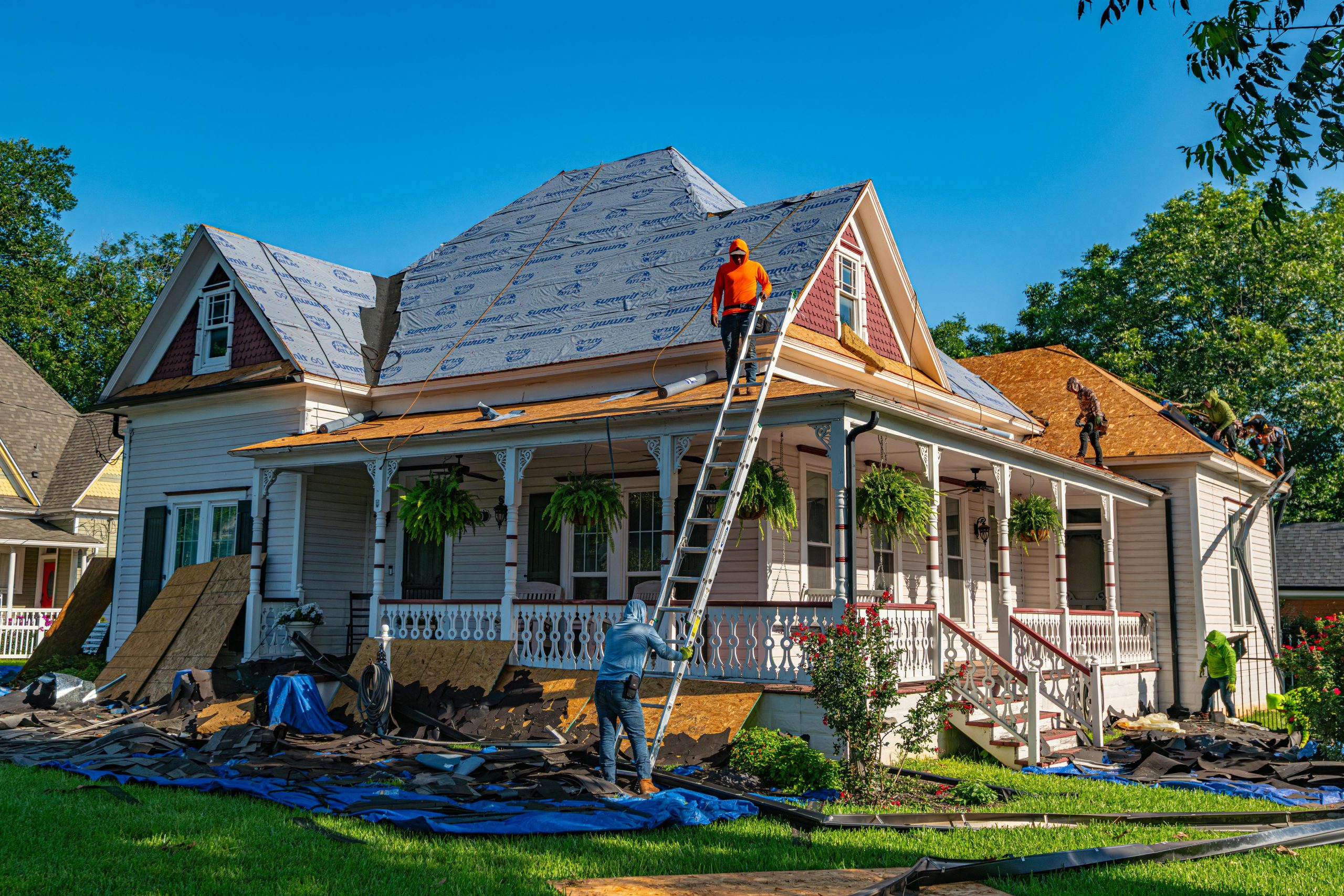

If you have ever collected three quotes for roof repairs and ended up more confused than when you started, you are not alone. On paper, comparing prices sounds simple. In practice, one roofer writes two lines on a carbon copy pad, another sends a polished PDF with allowances and exclusions, and a third gives you a number over the phone that somehow changes once scaffolding enters the conversation.
The problem is not just price. It is scope, materials, access, workmanship, risk, and the difference between a proper repair and a short-lived patch. Two quotes can look close in cost while covering completely different work. I have seen homeowners accept the cheapest number, only to find out later that waste removal, ridge repointing, and replacement tiles were never included. I have also seen people overpay because a higher quote sounded more professional, even though the contractor had padded it with broad contingencies.
A good comparison takes a little discipline. Once you know what to look for, the numbers begin to make sense. You stop reacting to headline price and start reading what each contractor is actually offering.
The first rule, compare the same job
Before you compare quotes, make sure each roofer is pricing the same repair. That sounds obvious, but it is where most quote comparisons go wrong.
One contractor may diagnose a leak as failed flashing around a chimney. Another may blame cracked tiles on the slope above. A third may say the underlayment has deteriorated and propose lifting a much larger area. Those are not interchangeable recommendations. If the scope differs, the quotes are not truly comparable.
The cleanest way to fix this is to give each roofer the same brief. Describe the issue in plain terms, mention when it occurs, and include any evidence you have. If there is a ceiling stain, say where it is and whether it appears after wind-driven rain or steady storms. If water enters near a skylight, say that. Photos help, especially exterior shots and attic images if you can take them safely.
Ask each contractor to state, in writing, what they believe is causing the problem and exactly what they intend to do. You are not looking for identical diagnoses every time. Roof leaks can be deceptive. You are looking for clarity. If one quote says "repair leak" and another says "remove lead flashing, install new stepped flashing, replace six cracked slates, test affected area," you already know which one gives you a real basis for comparison.
A low quote is often missing something, not delivering magic
Roof repairs can vary widely in cost, even for small jobs. Access alone can change a quote by hundreds or, on larger properties, thousands. A simple tile replacement on a single-storey extension is a different proposition from tracing a leak around a valley on a steep, three-storey roof that needs scaffolding and traffic management.
When one quote comes in dramatically lower than the others, there are usually a few possible explanations. The roofer may have misunderstood the job. They may be assuming no hidden damage. They may not have included access equipment, disposal, matching materials, or making good disturbed areas. Or they may simply be pricing to win, then planning to recover margin through variations once work starts.
There are honest low quotes, of course. A small local contractor with low overheads and efficient scheduling can undercut a larger firm. But a low number only deserves trust when the scope is detailed enough to prove that nothing critical has been left out.
What a professional roof repair quote should include
A strong quote should read like a practical work plan, not just a price tag. It does not need legal drama or pages of jargon. It needs enough detail that you can understand what is being repaired, how it will be repaired, and what assumptions are built into the price.
At minimum, the quote should identify the repair area, the intended method, the materials to be used, and whether access equipment is included. If matching reclaimed slate or tile is needed, that should be named. If the contractor expects to reuse existing sound materials where possible, that should also be stated. Waste removal, making the site safe, and clean-up matter more than people realise, because they are common sources of surprise charges.
Good quotes also separate fixed items from provisional ones. For example, a roofer may know the flashing needs replacement but cannot confirm the condition of the decking beneath until tiles are lifted. That is reasonable. The right way to handle it is to note what is fixed and what may change if hidden defects are uncovered. The wrong way is to be vague from the outset and call everything "subject to inspection."
This is one of the few places where a short checklist helps:
- Exact repair scope, including the affected roof area
- Materials and quantities, or at least material type and quality level
- Access method, such as ladders, tower, or scaffolding
- Waste removal and site clean-up
- Terms for unforeseen damage or variations
If a quote misses two or three of those points, it is not ready for a serious comparison.
Materials can swing the price more than most owners expect
Roof repairs are not a commodity purchase. The material choice can affect performance, appearance, and cost in ways that are not obvious from a summary line.
Take a tile roof. One contractor may include standard concrete replacement tiles in the nearest available colour. Another may allow for a closer manufacturer match. A third may include reclaimed tiles to blend with an older roof. Those options can all solve the immediate problem, but they are not equal aesthetically or financially. If your roof is highly visible from the street, the difference matters. If the repair is on a rear slope over a utility room, maybe not.
Leadwork is another area where quotes diverge. The thickness of lead, the detailing around upstands, the fixings, and the treatment of joints all affect longevity. So does whether the contractor follows best practice for expansion and support. A neat-looking flashing that is too thin or poorly dressed can fail long before it should.
Flat roof repairs have their own version of this issue. One quote may propose a small patch using compatible felt. Another may recommend a liquid-applied detail repair. Another may argue that the local defect is a symptom of widespread membrane fatigue and that a larger overlay or replacement section is the only sensible option. Those recommendations should not be judged on price alone. They need to be judged on whether they fit the roof’s age, condition, and expected service life.
Labour, access, and time on site are often hidden in plain sight
Homeowners tend to focus on materials because they are tangible. In roof repairs, labour and access frequently drive the bill.
A repair that takes two people half a day on a low bungalow may become a two-day operation on a taller house with limited access, brittle coverings, and weather constraints. If scaffolding is needed, that can dominate the cost of a modest repair. The same is true if work must be staged around a conservatory, solar panels, or fragile landscaping.
This is why line-by-line comparison matters. If one quote includes scaffolding and another says "access by others" or says nothing at all, the cheaper number is misleading. The same applies to parking restrictions, permit requirements, and protection for driveways, flower beds, or glazed roofs below the work area.
I once looked at a set of quotes where the lowest bidder was nearly 30 percent under the others. At first glance, it looked like a bargain. On closer reading, the quote excluded scaffolding, disposal, and any replacement timber if rot was found. Once those likely costs were added back, it became the most expensive option of the three.
Read the exclusions as carefully as the inclusions
The exclusions section is where many roof repair quotes tell the truth about their real price.
Exclusions are not inherently bad. Contractors cannot sensibly include every unknown on a repair job. The key is whether the exclusions are specific and reasonable, or broad enough to shift normal job risk back to the customer.
A fair exclusion might state that replacement of concealed rotten battens or decking is not included and will be quoted if discovered after opening up. That is ordinary. An unfair or at least unhelpful exclusion might say that any additional work deemed necessary on the day is chargeable, without rates or process. That language gives you no control.
Look for practical detail. If extra timber repairs might be needed, ask what the labour rate is and what the timber rate is. Ask whether photos will be provided before additional work proceeds. Ask whether there is a cap above which they must get written approval. Professional roofers deal with hidden defects regularly. The reliable ones have a clear method for handling them.
Warranty language deserves a close look
Many Roof Repairs owners treat a warranty like a tie-breaker. That can be a mistake if you do not read what it actually covers.
A longer warranty is not automatically better. A ten-year workmanship warranty from a contractor who may not answer the phone in twelve months is worth less than a realistic, well-explained three-year guarantee from a roofer with a long local track record. Material warranties also need context. If a repair uses a branded membrane or flashing system, the manufacturer may have a product warranty, but that does not cover poor installation.
Ask what is guaranteed, by whom, and under what conditions. Is it workmanship only, materials only, or both? Does it exclude storm damage, foot traffic, blocked gutters, or movement in adjoining structures? Will the guarantee transfer if you sell the house? Again, clarity matters more than headline length.
Payment terms tell you a lot about risk
Roof repairs usually do not require large upfront payments, especially for modest jobs. Deposits for special-order materials or scaffold bookings can be reasonable. Full payment before work starts is not.
A professional payment schedule should reflect the scale of the project. For a small repair completed in a day, payment on satisfactory completion is common. For larger repairs involving scaffolding and multiple visits, a staged payment may make sense. What matters is whether the schedule feels proportionate to actual cost exposure.
If a quote asks for a substantial deposit, ask why. If the answer is vague, that is useful information. Good contractors can usually explain their payment terms in a straightforward way.
The best quote is often the one that answers questions before you ask them
Price matters, but communication matters almost as much. Roof repairs are uncertain by nature. Water can travel. Defects can hide. The contractor who explains assumptions, options, and likely risks up front is often the safer choice, even if their quote is not the lowest.
Notice how each roofer behaves during the quoting process. Did they inspect the loft if relevant? Did they take photos and show you the defect? Did they explain whether the repair is a targeted fix or part of a broader aging issue? Did they mention what happens if rain interrupts the work? These things are not sales polish. They are signs of how the job itself will be managed.
A short, plain quote can still be excellent if the contractor has taken time to explain the work and follows up with written detail when asked. On the other hand, a glossy document can hide weak substance. Judge the content, not the formatting.
Be wary of allowances that sound precise but mean very little
Some quotes use allowances to create the appearance of detail. You may see provisional sums for tile replacement, timber repairs, or flashing work without any explanation of the rate basis or expected quantities. That is not always deceptive, but it can make comparisons harder.
If one quote includes an allowance for "up to 20 tiles" and another simply says "replace damaged tiles as required," neither is ideal unless the roofer explains how those assumptions were reached. Ask what happens if more damage is found. Ask whether the rate per extra tile is fixed. Ask whether matching tiles are readily available or whether sourcing delays are likely.
This is especially important on older roofs, where disturbing one area can expose fragility nearby. Experienced roofers know how to price this risk. They Roof Repairs may include a sensible contingency or explain a variation process. What you want to avoid is a quote that appears firm but is built on unrealistic assumptions.
Comparing quotes on old roofs requires extra judgment
On a newer roof with isolated storm damage, comparing repair quotes is relatively straightforward. On older roofs, it gets more nuanced.
If the roof covering is near the end of its life, repeated local repairs can become poor value. One roofer may price only the immediate defect because that is what you asked for. Another may recommend a broader intervention because they know the adjacent area is likely to fail soon. The second quote will look expensive, but it may be more honest.
That does not mean every recommendation for wider work is justified. Some contractors use a minor leak to steer owners toward major replacements. The task is to separate genuine lifecycle advice from upselling. Ask for evidence. Ask what the roofer saw that led to the recommendation. Ask whether a repair would likely hold for one year, three years, or five. Good contractors will usually speak in ranges and caveats, not false certainty.
A few red flags are worth taking seriously
Most roofers are trying to do decent work and earn a living. Even so, certain patterns tend to lead to trouble.
- The quote is unusually cheap and light on detail
- The contractor pressures you to decide immediately
- Access, disposal, or hidden damage terms are vague
- There is no clear business address, paperwork, or insurance confirmation
- The roofer dismisses questions instead of answering them
None of these alone proves bad faith. Together, they should slow you down.
How to level the playing field when quotes are all over the place
If the numbers and scopes are too different to compare sensibly, go back to each contractor with the same follow-up questions. This alone can improve your decision more than collecting a fourth or fifth quote.
Ask them to confirm whether scaffolding is included. Ask what material they plan to use and whether it will match the existing roof. Ask how they will handle hidden defects. Ask how long the repair is expected to last, given the current roof condition. Ask for proof of insurance if it was not already supplied.
The goal is not to turn every quote into a legal document. It is to get each roofer to reveal the assumptions behind the number. Once that happens, comparisons become much cleaner.
Sometimes, after this process, two quotes remain close and both seem competent. In that case, choose based on the factors that reduce risk for you. That may be stronger communication, a better match to the existing roof, a more realistic approach to hidden defects, or simply a track record of doing this kind of roof repair well.
When the cheapest quote is actually the right one
It is worth saying plainly that the cheapest quote is not always wrong. Sometimes the lower-priced roofer has diagnosed the issue more accurately and proposed a tighter, less invasive fix. Sometimes they have lower overheads, own their access equipment, or are already working nearby and can fit your repair efficiently.
I have seen expensive quotes that essentially price uncertainty instead of expertise. Rather than investigating carefully, the contractor throws a wide net and hopes the margin covers whatever turns up. A more experienced roofer may identify the fault quickly and price only what is needed.
That is why a professional comparison is not about assuming high means quality and low means danger. It is about understanding what each number buys you.
The decision should feel informed, not hopeful
By the time you choose a contractor, you should be able to explain the decision in a few clear sentences. You should know what area is being repaired, what method will be used, what materials are included, how access is handled, what happens if hidden damage is found, and what the payment terms are.
If you still feel like you are guessing, the quotes are not ready yet.
Roof repairs reward careful reading. The right contractor will not mind a few smart questions. In fact, good roofers usually appreciate them, because clear expectations make for smoother jobs, fewer disputes, and better outcomes. Once you stop comparing quote totals and start comparing scope, assumptions, and risk, the right choice often becomes obvious.
Royalty Exteriors
151 NJ-10 Suite 103A
Succasunna, NJ 07876, United States
+1 973-333-7234
FAQ About Roof Repairs
Can you fix a roof leak without replacing the whole roof in Succasunna,NJ?
Often, a localized leak can be repaired without replacing the entire roof, depending on its cause and the condition of the surrounding materials. Damaged shingles, flashing, or a roof penetration may need targeted work. Royalty Exteriors offers roof repairs for leaks, storm damage, and shingle issues. An inspection is needed to determine the appropriate scope.
What is considered a minor roof leak?
A leak may be considered minor when the damage is limited to a small area and the surrounding roofing remains sound. A small ceiling stain alone does not establish the extent of the problem because water can travel before becoming visible. Have the source and any concealed damage assessed promptly.
Is it better to repair or replace a leaky roof?
The decision depends on the roof's age, overall condition, leak source, extent of damage, and history of previous repairs. A localized problem on an otherwise serviceable roof may be suitable for repair. Widespread deterioration or recurring leaks may justify considering replacement. Ask for an inspection and a written explanation of the recommended work before deciding.